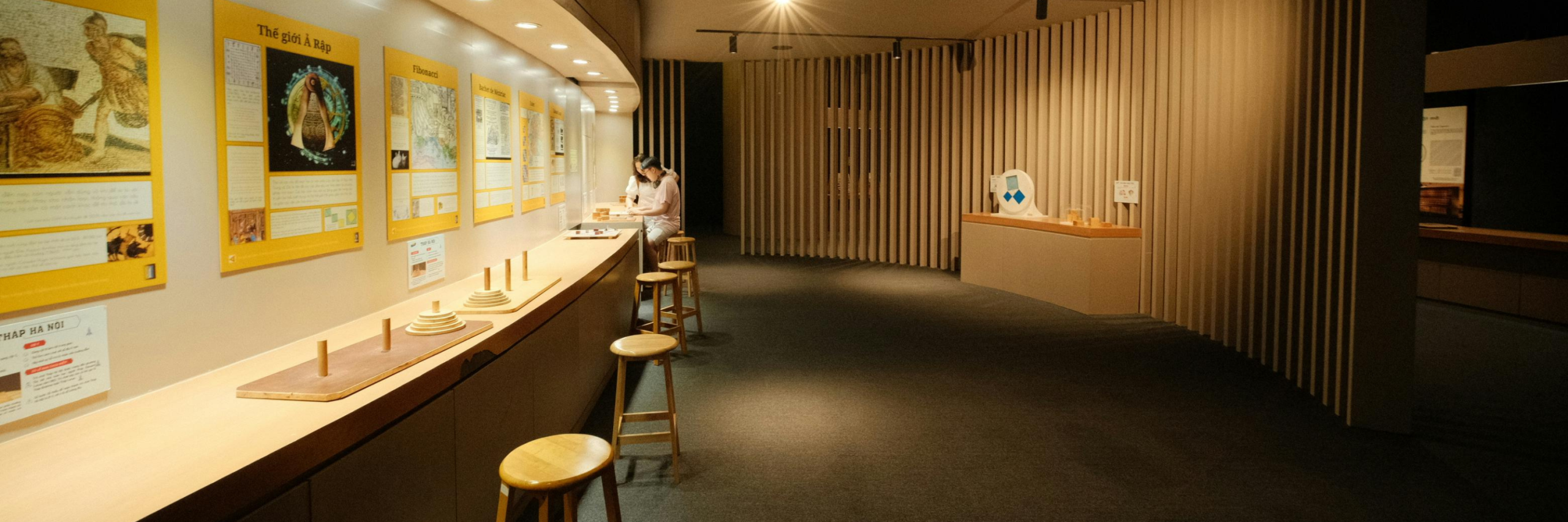
Museums, galleries, archives and heritage organisations are increasingly reliant on digital technologies to deliver services, engage visitors and preserve valuable collections. From ticketing systems and donor databases to digital archives and collection management platforms, technology plays a vital role in modern cultural organisations. However, as digital transformation accelerates, so too does the need for stronger cybersecurity. Recent attacks on organisations including the British Library have highlighted the significant operational and reputational impact a cyber incident can have. For heritage organisations managing sensitive data, public-facing services and often complex IT environments, building a strong cybersecurity foundation has never been more important.

Why is cybersecurity important for museums and heritage organisations?
Cybersecurity is about more than protecting data. For cultural and heritage organisations, it is about safeguarding the services, systems and experiences that visitors, researchers, staff and stakeholders rely upon every day.
Many organisations operate a mixture of modern cloud platforms and legacy infrastructure, often across multiple sites. Collection management systems, donor records, digital archives, public Wi-Fi networks and ticketing platforms can all create potential points of vulnerability if they are not properly secured.
At the same time, limited internal resources and competing priorities can make it difficult to maintain a proactive cybersecurity strategy. This is why many organisations are now taking steps to strengthen resilience and improve visibility across their IT environments.

Understanding the risks
The cyber threats facing museums and heritage organisations are becoming increasingly sophisticated. Ransomware attacks, phishing campaigns and unauthorised access attempts can disrupt operations, impact visitor services and compromise sensitive information.
The British Library cyberattack demonstrated how significant the consequences of a cyber incident can be, leading to widespread disruption and a lengthy recovery process. Similar attacks across the cultural sector have shown that organisations of all sizes can be affected.
For museums and heritage sites, the challenge is often compounded by the need to balance security requirements with public accessibility, historic buildings, ageing infrastructure and limited budgets.
Building a stronger cybersecurity foundation
Effective cybersecurity starts with understanding your organisation’s risks and ensuring the right protections are in place.
A secure network infrastructure provides the foundation for protecting users, devices and critical systems. Strong access controls help ensure that only authorised individuals can access sensitive information, while monitoring and visibility tools make it easier to identify unusual activity before it becomes a serious issue.
Backup and recovery strategies are equally important. In the event of a cyberattack, hardware failure or accidental data loss, robust backup solutions can help organisations recover quickly and minimise disruption.
Staff awareness also plays a critical role. Many cyber incidents begin with human error, making education and security best practices an essential part of any resilience strategy.
Supporting digital resilience across the heritage sector
As digital services continue to evolve, organisations across the cultural sector are placing greater emphasis on cyber resilience. Government initiatives and industry guidance increasingly recognise the importance of protecting public sector and cultural institutions from emerging cyber threats.
For heritage organisations, resilience means more than preventing attacks. It means ensuring collections remain accessible, visitor services remain operational and critical information remains protected.
By taking a proactive approach to cybersecurity, museums and heritage organisations can reduce risk while creating a stronger foundation for future digital transformation projects.
Why Switchshop?

Heritage organisations face unique technology challenges that many traditional IT providers overlook.
Historic buildings can create connectivity challenges, public-facing networks must coexist with operational systems, and many organisations operate with small IT teams responsible for supporting a wide range of services.
Switchshop understands these challenges. We work with organisations across the public sector to design practical cybersecurity solutions that align with operational requirements, budgets and long-term objectives.
Our team can help strengthen network security, improve visibility across your environment, protect critical systems and support broader digital resilience initiatives. Through partnerships with leading technology vendors, including Fortinet, HPE Aruba Networking and Acronis, we provide solutions that help organisations reduce risk while supporting the delivery of modern digital experiences.
Frequently Asked Questions
Why is cybersecurity important for museums and heritage organisations?
Museums and heritage organisations manage a wide range of digital assets, including visitor information, membership and donor records, collection management systems and operational data. Strong cybersecurity helps protect these assets, reduce the risk of disruption and maintain public trust.
Are museums and cultural organisations at risk of cyberattacks?
Yes. Like many public-facing organisations, museums and heritage sites can be targeted by ransomware, phishing attacks and data breaches. As digital services continue to expand, organisations of all sizes should take steps to strengthen their cybersecurity and improve resilience.
How can museums improve their cybersecurity?
Improving cybersecurity starts with understanding your current environment. Reviewing network infrastructure, implementing strong access controls, maintaining reliable backup and recovery solutions, monitoring network activity and ensuring staff are aware of cyber risks all contribute to a stronger security posture.
What systems should heritage organisations prioritise for protection?
Priority should be given to systems that support daily operations and store sensitive information. This often includes ticketing and payment platforms, donor and membership databases, collection management systems, digital archives, public Wi-Fi networks and staff devices.
Does UK GDPR apply to museums and heritage organisations?
Yes. Museums and heritage organisations that collect or process personal information relating to visitors, members, donors or employees are required to comply with UK GDPR and the Data Protection Act 2018. Appropriate cybersecurity measures play an important role in protecting this data.
How can Switchshop support museums and heritage organisations?
Switchshop works with museums, galleries and heritage organisations to strengthen network security, improve resilience and support digital transformation. Our consultative approach helps organisations build secure, scalable IT environments that protect critical systems while supporting the delivery of modern visitor experiences.