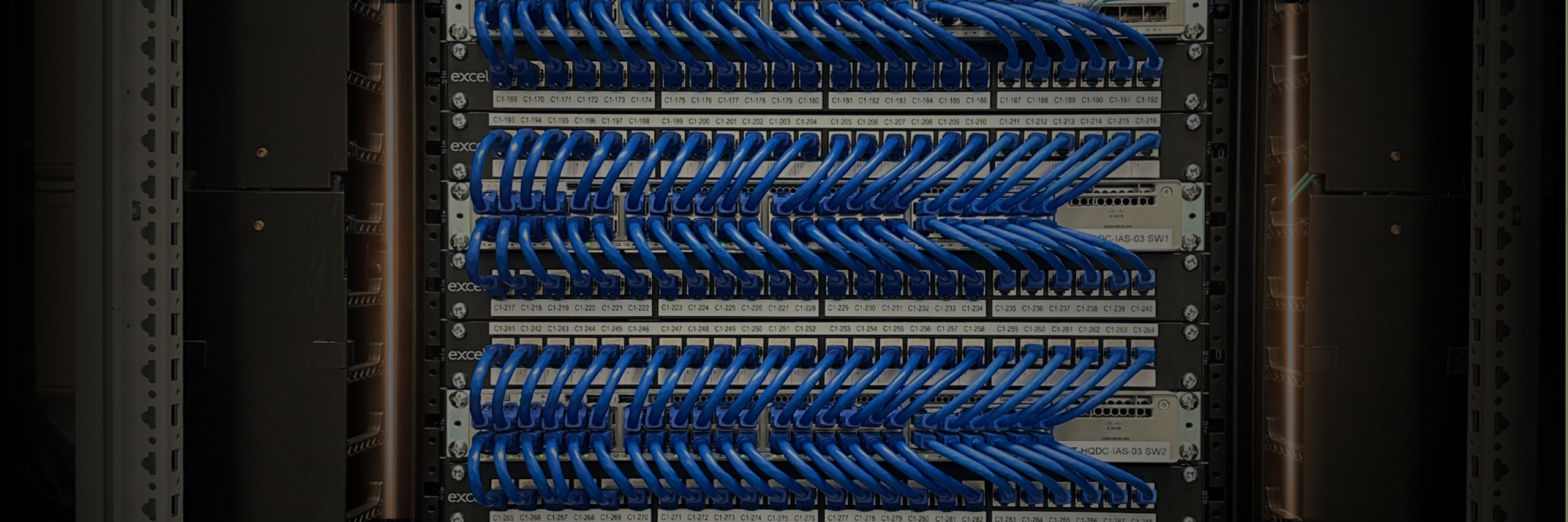
What Is Data Cabling?
Data cabling (also known as structured cabling) is the physical infrastructure that connects devices, systems and networks within a building or across multiple sites. It enables reliable communication between computers, servers, Wi-Fi access points, phone systems and security infrastructure, forming the backbone of modern business connectivity. Without a properly designed cabling system, networks become unreliable, slow and difficult to scale.
Quick Answer: What Is Data Cabling?
Data cabling is used to connect and support:
- Computers, laptops and servers
- Wi-Fi and wireless access points
- VoIP phone systems
- CCTV and security systems
- Access control and smart building technology
If a device connects to your network, it depends on data cabling.
Data Cabling Services in London and Across the UK
Switchshop provides professional data cabling services throughout the UK, supporting organisations with reliable, scalable network infrastructure. We deliver end-to-end solutions, including:
- Structured cabling design and installation
- Cat6 and Cat6a installation
- Fibre optic installation
- Office and commercial network cabling
- Server room and data centre cabling
- Network upgrades, recloations and expansions
Every installation is designed to meet current performance needs while allowing future growth.
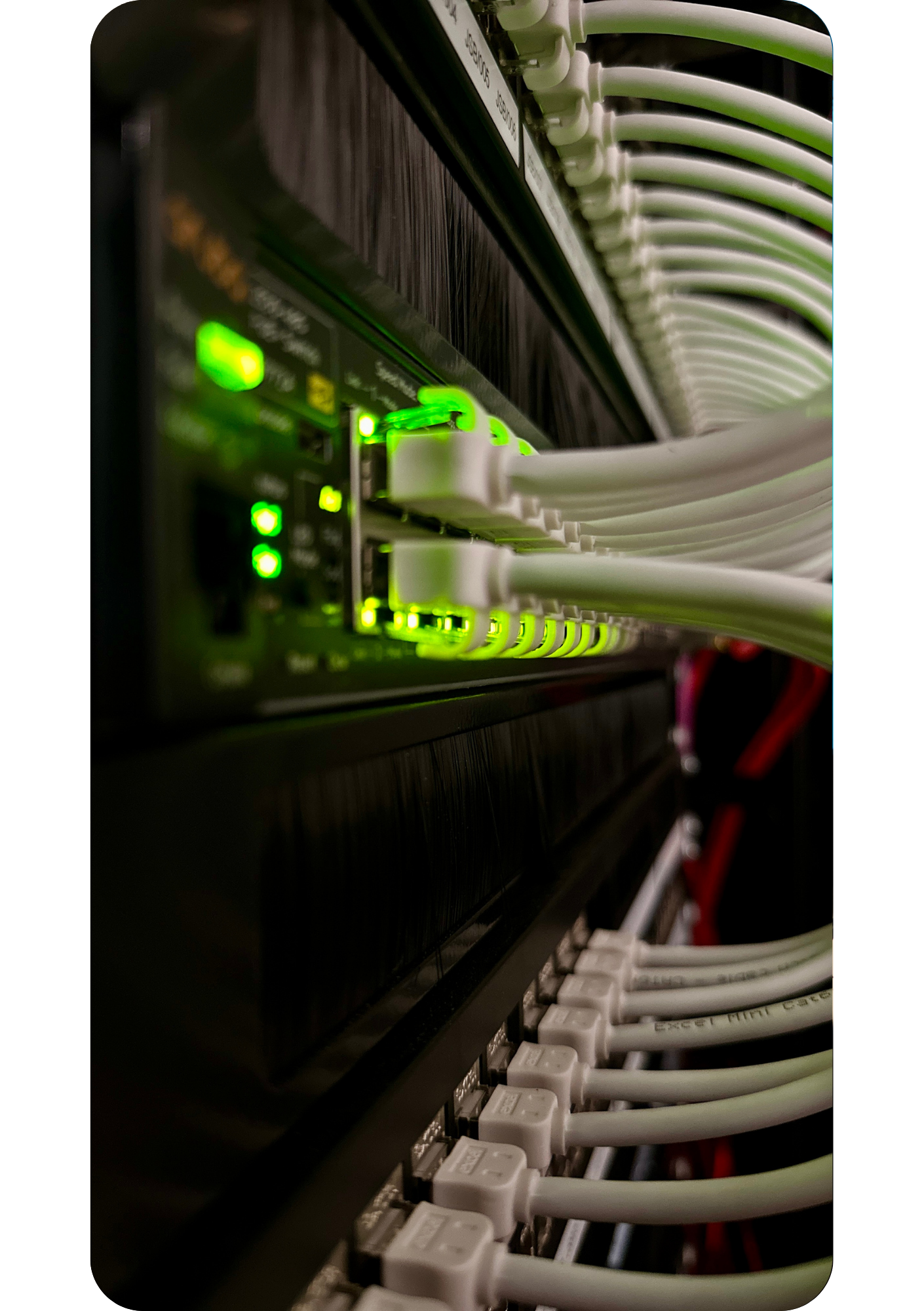
What Is Structured Cabling?
The reason it’s called “structured” is that a single, standardised infrastructure supports data, voice, video and building systems without being designed around any one application. Every network outlet connects back to a central patch panel in a communications cabinet using a standardised cabling layout, allowing moves, adds, and changes to be made at the patch panel rather than requiring wiring.
Instead of a mix of ad hoc cables installed over time, structured cabling creates a clean, organised and well-documented network infrastrucutre that is easier to manage and built for long-term performance.
A well-designed, structured cabling system provides:
- Consistent network performance
- Reduced downtime and faults
- Easier troubleshooting and maintenance
- Flexibility for future upgrades
It provides the reliable foundation modern IT infrastructure depends on in offices, schools, hospitals and commercial environements.
Cat6 Installation: The Standard for Modern Networks
For most organisations, Cat6 cabling is the industry standard for fast, reliable, high-performance network connectivity. Designed to support modern IT infrastructure, Cat6 provides the speed and stability needed for today’s connected workplaces while offering excellent value for money.
Cat6 cabling is ideal for:
- Office networks and workstations
- VoIP and unified communications
- Wireless access points
- CCTV and security systems
For organisations requiring higher bandwidth, longer cable runs, or greater future-proofing, Cat6a cabling may be the better choice. With thicker conductors and improved shielding, Cat6a is better suited to environments where large numbers of devices are powered using Power over Ethernet (PoE), such as CCTV cameras and wireless access points. As PoE cables carry both data and electrical power, they generate heat, which can reduce cable performance. Cat6a is designed to better manage this thermal effect, helping to maintain reliable performance in high-density PoE installations.
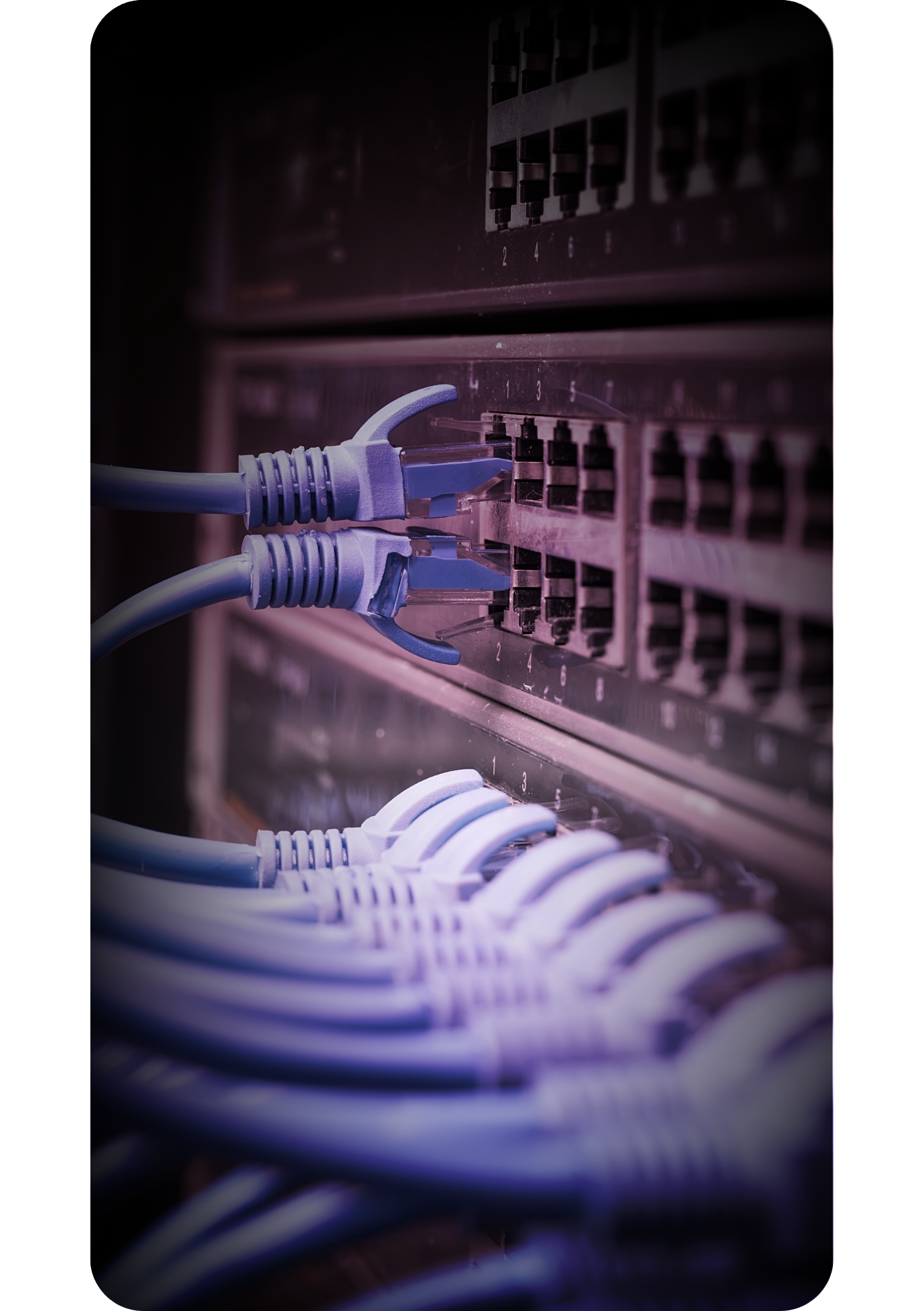
Fibre Optic Installation for High-Speed Connectivity
As data demands increase, many organisations are turning to fibre optic installation for faster, more reliable connectivity.
Unlike copper cabling, fibre uses light to transmit data, enabling extremely high speeds over long distances. Fibre is typically deployed in:
- Data centres and server environments
- Inter-building and campus networks
- Backbone infrastructure
- High-performance business networks
For organisations planning long-term growth, fibre provides the scalability and performance required for modern digital environments.
Why Professional Data Cabling Matters
Data cabling is not just a background component; it directly impacts network performance, reliability and business continuity. Poor installation can lead to slow speeds, interference, downtime and costly rework. A professionally designed system ensures:
- Reliable, high-speed connectivity
- Reduced risk of network failure
- Scalable infrastructure for growth
- Compliance with industry standards
At Switchshop, we design cabling systems that support both current operations and future technologies.
Data Cabling for Smart Buildings and Future Technology
Modern buildings rely on connected systems that require robust network infrastructure. Structured cabling supports:
- Power over Ethernet (PoE) devices, such as access points and IP cameras
- Smart lighting and building management systems
- IoT devices and sensors
- Integrated security and access control systems
As organisations adopt smart technologies and hybrid working, the demand for high-quality cabling continues to grow.
Supporting Digital Transformation
Data cabling underpins every aspect of digital transformation, from cloud adoption to workplace collaboration. It enables:
- Hybrid and remote working
- Cloud-based applications
- High-speed communication
- Secure network infrastructure
- Business continuity planning
For this reason, it is often reffered to as the fourth untility, alongside electricity, water and gas.
Why Choose Switchshop for Data Cabling in London?
Switchshop delivers expert data cabling services across London and the UK, combining technical expertise with a practical, business-focused approach. We provide:
- Site surveys and tailored consultation
- Structured cabling design
- Professional installation by certified engineers
- Full testing, certification and documentation
- Scalable solutions built for future growth
Whether you are fitting out a new office, upgrading your network or planning a multi-site rollout, we ensure your infrastructure is built to perform.
Ready to Upgrade Your Network Infrastructure?
If you’re planning a new office, relocating, or upgrading your network, the right cabling infrastructure is critical. Switchshop can help you design and deliver a reliable, future-ready data cabling solution tailored to your organisation.
Frequently Asked Questions
What is data cabling, and what is it used for?
Data cabling is the physical infrastructure; cables, connectors and hardware that links networked devices within a building. It supports internet connectivity, VoIP, CCTV, access control, wireless access points and any other system that requires a network connection.
What is the difference between structured cabling and regular cabling?
Structured cabling is a planned, standardised system designed to ISO/IEC 11801 or TIA-568 specifications. Unlike ad-hoc cabling, it is organised, documented and built for long-term scalability. It makes troubleshooting faster and upgrades simpler.
What is the difference between Cat6 and Cat6a cabling?
Both are copper-based cables supporting 10Gbps speeds. Cat6 achieves this over distances up to 55 metres; Cat6a maintains 10Gbps up to 100 metres with better shielding against interference. Cat6a is recommended for new installations, high-density environments and where future-proofing is a priority.
When should I use fibre optic instead of copper cabling?
Fibre optic is recommended when you need very high speeds over long distances, low latency, or protection from electromagnetic interference. It is standard for data centre backbone infrastructure, inter-building links and campus networks where copper cannot perform reliably.
Do you provide data cabling services in London?
Yes. Switchshop delivers data cabling, Cat6, Cat6a and fibre optic installation across London and throughout the UK, from single-site offices to multi-building campus environments.
How long does a data cabling installation take?
Timescales vary by project size and complexity. A typical office fit-out takes one to three days; larger or multi-site projects are scoped and scheduled during the initial site survey.