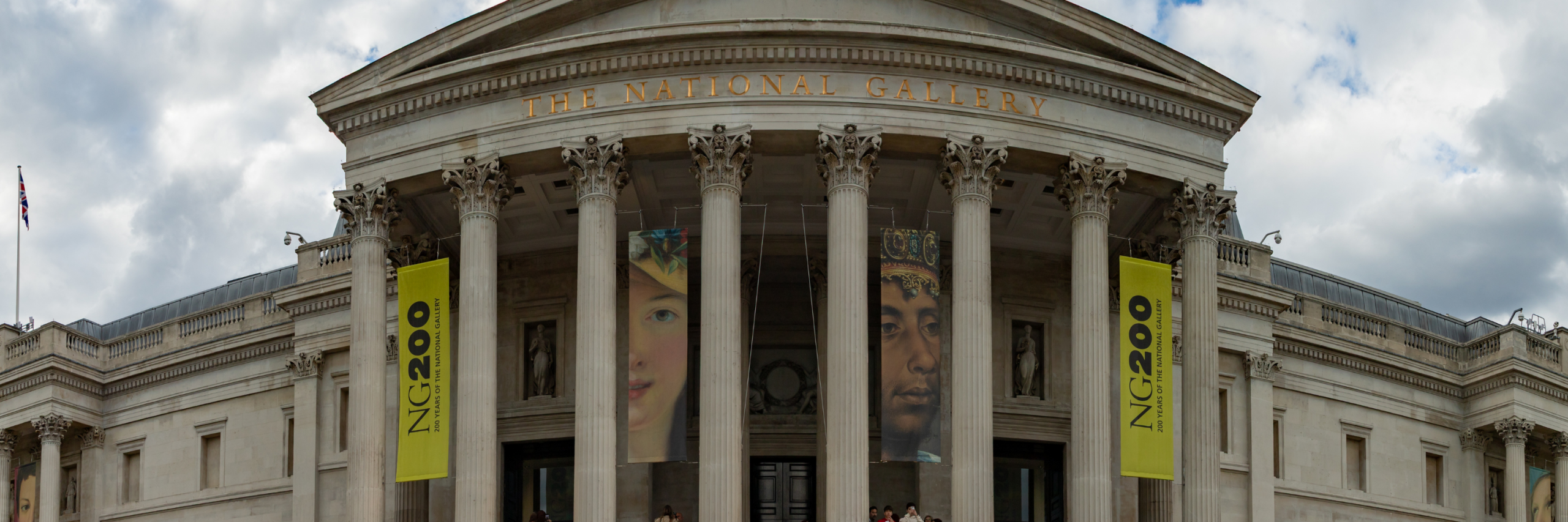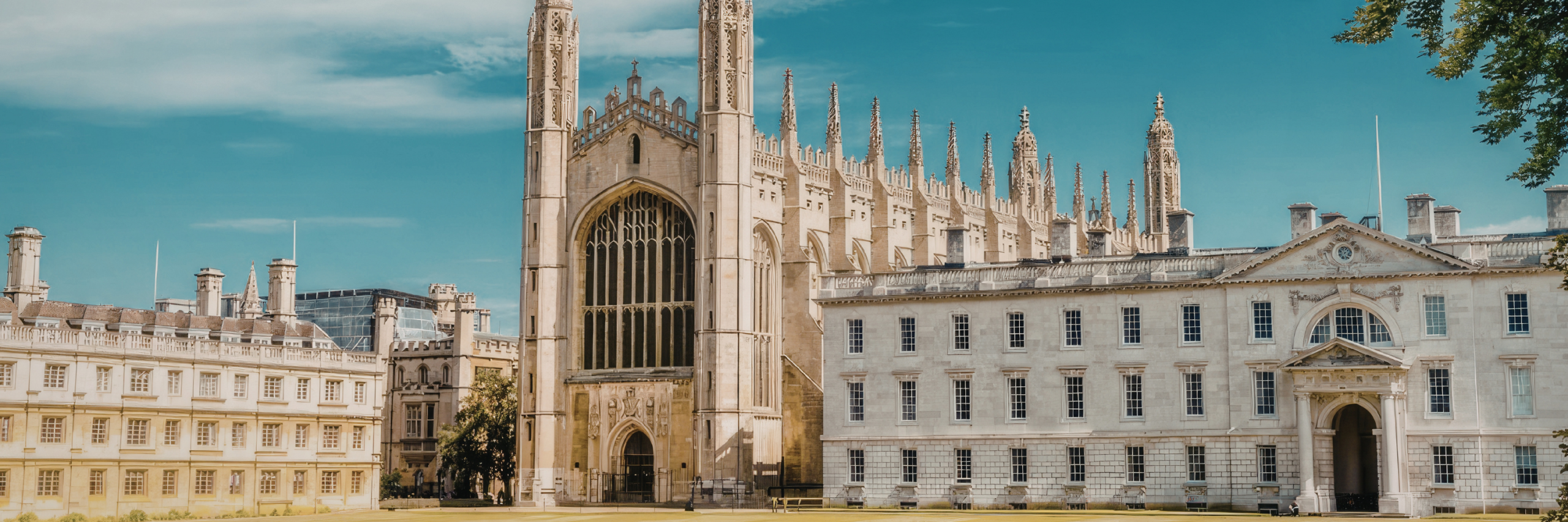
Switchshop delivers specialist network infrastructure installations in listed buildings, historic properties and culturally sensitive environments across the UK. Our experienced engineering crews work alongside conservation officers, architects, curators and heritage consultants to install modern IT and communications infrastructure without compromising the fabric, character or integrity of protected buildings. Precision. Preservation. Expertise.
Installing network infrastructure in a modern office is straightforward. Installing it in a Grade I listed country house, a Victorian civic building, a medieval cathedral, a working museum, or a scheduled ancient monument is an entirely different discipline, and one that demands a very different kind of engineering team.
Historic buildings present challenges that standard IT contractors are simply not equipped to handle. Walls that cannot be chased. Floors that cannot be lifted. Ceilings that cannot be penetrated. Surfaces of archaeological, architectural or artistic significance where a single wrong decision can cause irreversible damage. In these environments, the engineering methodology matters as much as the technology being installed.
Switchshop has built a specialist practice around heritage-sensitive delivery. Our engineering crews are experienced in working within the constraints of listed and historic buildings, understanding not just the technical requirements of a network installation, but the conservation principles, planning obligations and approval processes that govern what can and cannot be done.
We work collaboratively with conservation officers, architects, curators and heritage consultants from the earliest stages of a project, ensuring that every routing decision, fixing method and cable management approach has been considered through a conservation lens before work begins.
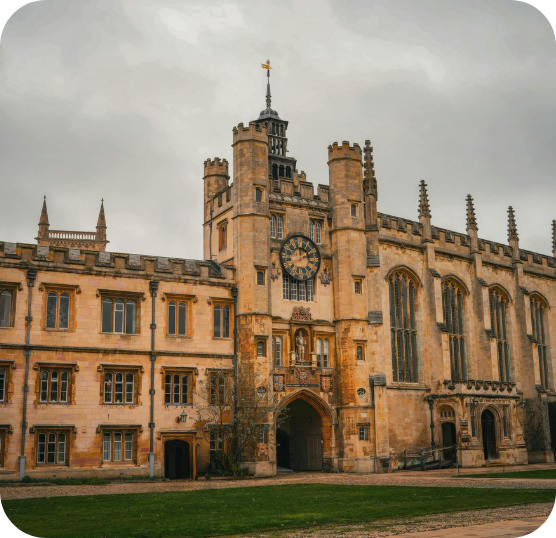
The result is modern, high-performance network infrastructure, structured cabling, fibre-optic backbones, wireless networks, IP telephony, and AV systems, delivered in a way that respects and preserves the buildings that house them. No shortcuts. No compromises. No damage that cannot be undone.
Our Heritage-Sensitive Services
Structured Cabling in Listed Buildings
High-performance data cabling installed with minimal intervention and maximum reversibility.
- Cat6 and Cat6A installations using concealed and reversible routing methods
- Fibre optic backbone infrastructure through sensitive environments
- Surface-mounted containment systems in period-appropriate finishes.
- Avoidance of chasing, drilling or fixing into protected surfaces wherever possible
- Full documentation of all routes and installations for conservation records
- Installations aligned with Historic England guidance and local authority requirements
Wireless Networks in Historic Properties
Delivering seamless connectivity without visible infrastructure, the preferred solution in many heritage settings.
- Wireless site surveys tailored to historic building layouts and materials
- Access point placement designed to minimise fixings and visual impact
- Coverage designs that account for thick stone walls, lead-lined windows and irregular floor plates
- Wi-Fi 6 & Wi-Fi 7 deployments providing high performance from minimal hardware
- Discreet cabling and power routing for wireless infrastructure
- Suitable for museums, galleries, stately homes, hotels and visitor attractions
IP Telephony & Communications
Modern communications infrastructure installed with heritage constraints at the centre of the design.
- VoIP and IP telephony systems sized and routed for historic properties
- SIP trunking as a replacement for legacy ISDN lines in listed buildings
- Minimal footprint installations using existing voids, ducts and routes where available
- Integration with building management and visitor experience systems
- Discreet Phone mounting solutions
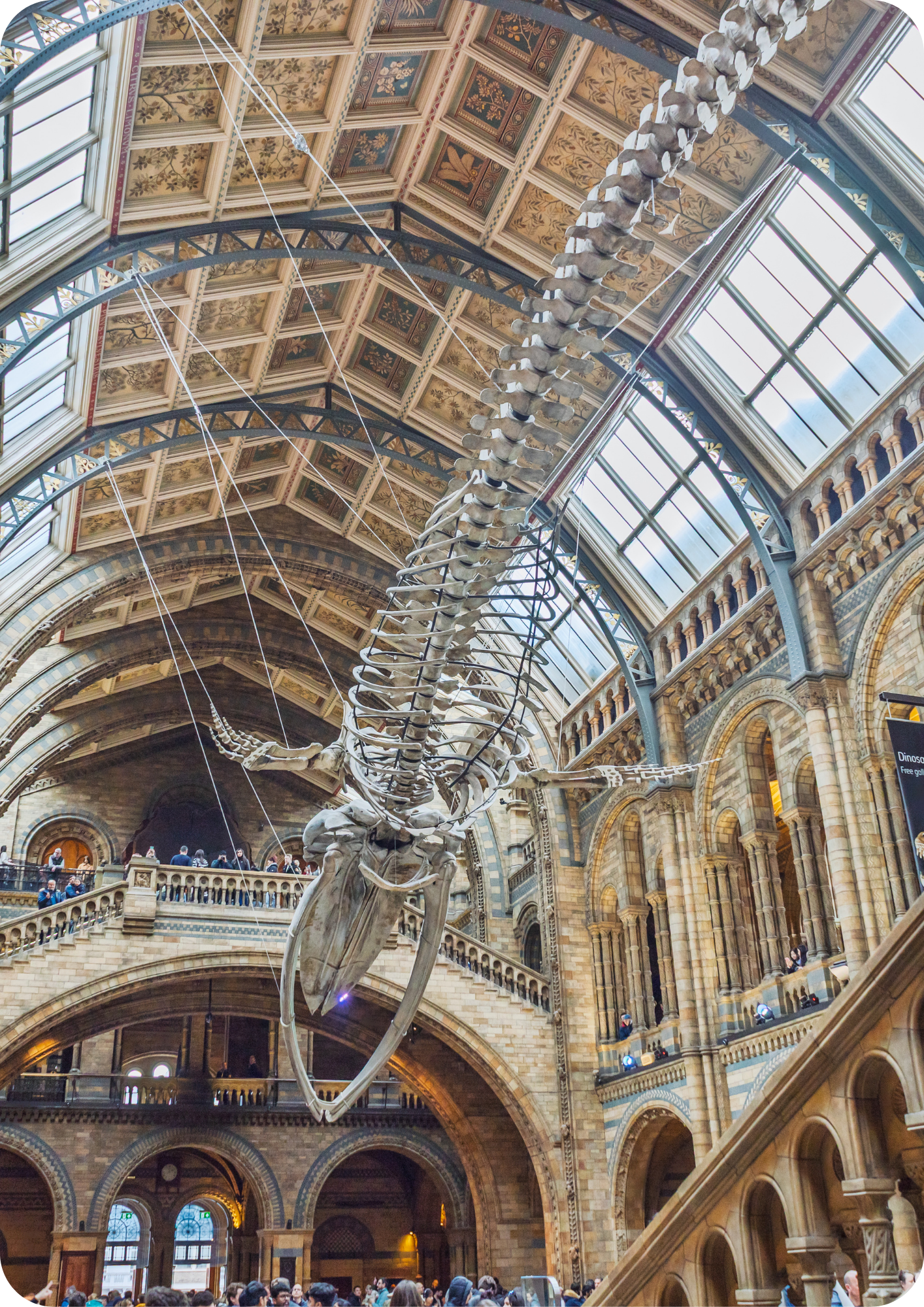
AV & Visitor Experience Systems
Technology that enhances the visitor or occupant experience without detracting from the heritage setting.
- Discreet AV installations for interpretation, education and events
- Temporary installations where permanent fixing is not permitted
Conservation-Led Project Planning
Technical expertise and conservation awareness from the very first conversation.
- Early engagement with conservation officers and local planning authorities
- Listed building consent support and documentation
- Method statements and risk assessments tailored to heritage environments
- Collaboration with architects, interior designers and curators throughout
- Phased delivery to minimise disruption to occupants, visitors and collections
- Full post-installation documentation for building records and future reference
Why Choose Switchshop for Heritage Infrastructure Projects?
- Engineering crews experienced in listed and historic building environments
- Conservation-led methodology: we protect the fabric, not just the brief
- Collaborative approach with conservation officers, architects and curators
- Reversible installation methods wherever possible
- Full compliance with Listed Building Consent requirements
- Nationwide UK coverage, including remote and rural historic sites
- End-to-end service from survey and planning through to commissioning and support
- Trusted by museums, galleries, country houses, civic buildings and places of worship
Heritage Environments We Work In
We work across a wide range of heritage environments, including Grade I and Grade II* listed buildings, museums and national collections, art galleries and cultural institutions, stately homes and country houses, places of worship and cathedrals, civic and government buildings, historic hotels and hospitality venues, universities and academic institutions with historic estates, and visitor attractions and heritage sites.
Frequently Asked Questions
Do I need Listed Building Consent to install network cabling in a historic building?
It depends on the nature and extent of the works. Listed Building Consent is required for any works that would affect the character of a listed building, and this can include cable installations if they involve chasing walls, drilling through original fabric, or fixing to significant surfaces. Minor, reversible surface-mounted installations may not require consent, but this varies by local authority and the specific listing. Switchshop works with conservation officers and local planning authorities from the earliest stages of every heritage project to establish what is and is not permissible, and to prepare the necessary documentation where consent is required.
How do you install cabling in a building where you cannot chase walls or lift floors?
This is the central challenge of heritage infrastructure delivery, and there are several approaches depending on the building. Existing voids, ducts, chimney breasts and service routes are explored first. Surface-mounted containment systems in appropriate finishes can be used where intervention is not possible. Wireless infrastructure is often the most practical solution for distribution within a sensitive space, with cabling confined to less sensitive areas for the backbone. In some cases, reversible fixings and micro-bore containment systems allow cable routing with minimal visual and physical impact. Every building is different; our approach is always survey-first, working with the building rather than against it.
Can you install Wi-Fi in a building with thick stone walls and irregular layouts?
Yes, and wireless is often the preferred solution in historic buildings precisely because it minimises the need for cabling through sensitive fabric. Thick stone walls, lead-lined windows and irregular floor plates do present RF challenges, but our wireless engineers are experienced in surveying and designing for exactly these conditions. A thorough predictive and on-site survey accounts for the building’s material composition and layout, and access point placement is designed to deliver coverage with the minimum number of devices, reducing both visual impact and the number of fixings required.
How do you work with conservation officers and architects on heritage projects?
Early and collaboratively. We engage conservation officers and the wider project team before any technical design is finalised, treating the conservation requirements as a design input rather than a constraint to work around. We produce detailed method statements, route drawings and risk assessments that give conservation officers the information they need to make informed decisions. Where Listed Building Consent is required, we support the application process with technical documentation. Our goal is to be a trusted technical partner to the heritage and design team, not a contractor who arrives with a standard specification and hopes it fits.
What happens if damage occurs to historic fabric during installation?
Our methodology is specifically designed to prevent this. We use reversible fixings, avoid penetrating protected surfaces wherever possible, and work under detailed method statements agreed with the conservation team in advance. Our engineers are briefed on the significance of the building and the specific sensitivities of each area before work begins. In the rare event that an unexpected issue arises on site, a hidden fragile surface, an unforeseen archaeological feature, we stop work and consult rather than proceed. We carry full professional indemnity and public liability insurance, and all our installations are fully documented for building records.
Do you work on occupied heritage buildings and visitor attractions?
Yes, and we understand the demands this creates. Museums, galleries, country houses and visitor attractions cannot simply close for the duration of an infrastructure project. We plan work around visitor opening hours, collection movements and event programmes, and our engineers work quietly and cleanly with minimal disruption. Where works need to take place in proximity to collections or sensitive displays, we implement appropriate protection measures and work in close coordination with curatorial staff.