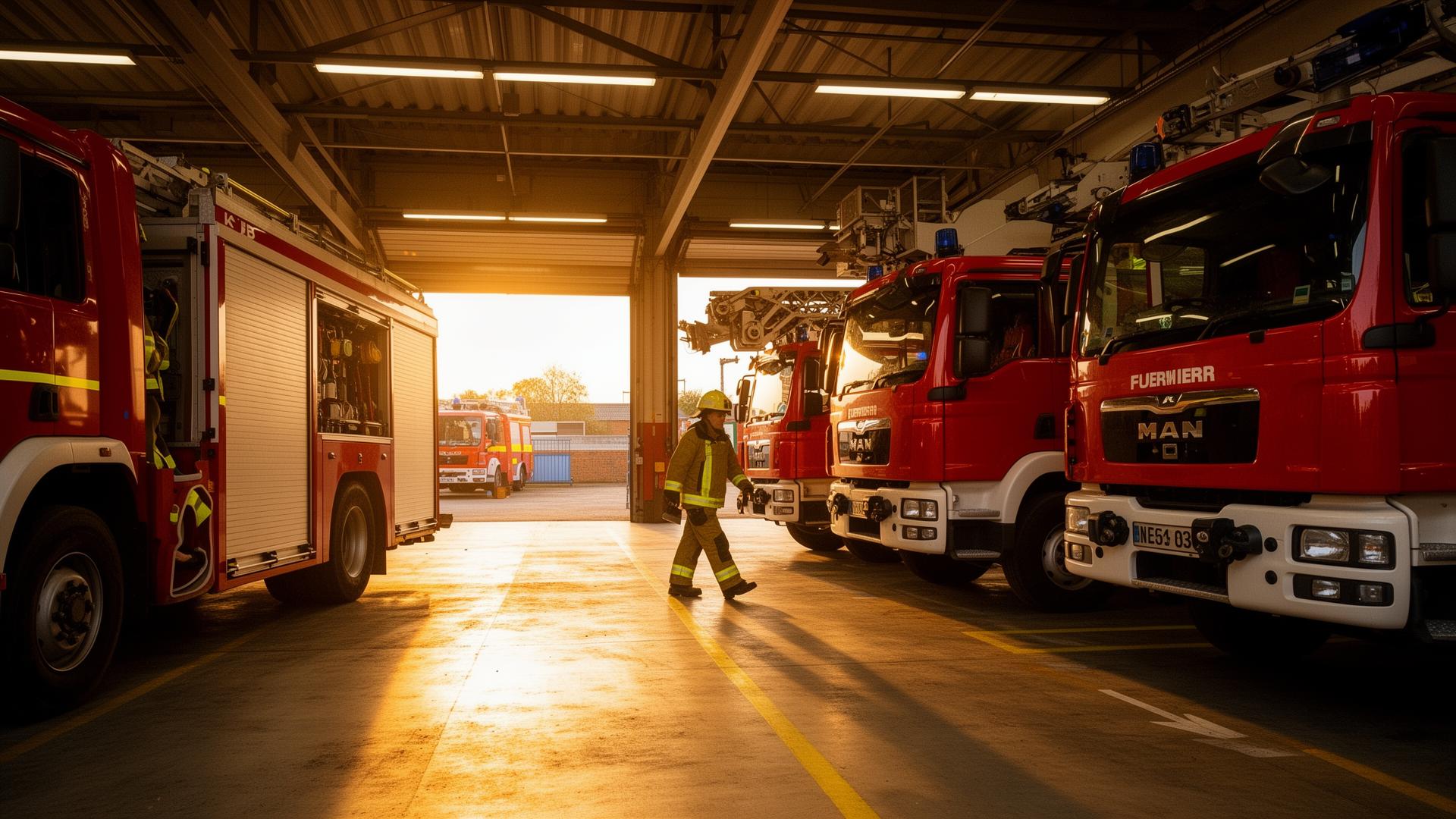
Emergency services depend on interconnected operational systems to maintain situational awareness, coordinate resources and support frontline response. Control-room platforms, mobilisation systems, communications and supporting infrastructure all need to remain recoverable when disruption occurs. A successful backup alone does not prove this can happen. Switchshop and Acronis help Blue Light organisations strengthen operational resilience through recovery strategies designed around critical workloads, legacy technology and isolated operational environments.

What Is Operational Technology Recovery in Emergency Services?
Operational Technology (OT) recovery in emergency services is the process of restoring the critical systems, applications, configurations and infrastructure needed to maintain operational response following disruption.
Emergency response increasingly depends on technology. Control rooms, CAD and dispatch, mobilisation platforms, operational networks, telephony and mobile systems can all play a role in maintaining effective response operations. Cybersecurity controls remain essential, but prevention alone cannot guarantee continuity. Cyber incidents, infrastructure failures, software faults and human error can still make critical systems unavailable.
When that happens, recovery becomes an operational issue. The question is no longer simply whether data has been protected. It is how quickly the services supporting emergency response can be returned to operation.
Does Having a Backup Mean Critical Operational Systems Are Recoverable?
No. A successful backup confirms that data has been protected, but it does not prove that a critical operational system can be restored within the timeframe emergency services require.
Control-room and mobilisation services can depend on operating systems, specialist applications, configurations, integrations, identities, physical hardware, networks and other infrastructure working together. A backup job may complete successfully while practical recovery remains unproven.
Problems may only become visible when recovery is attempted, including missing dependencies, unsupported legacy platforms, incomplete documentation or recovery procedures that have never been tested under realistic operating conditions.
The recovery gap question
If a critical control-room system failed tomorrow, how quickly could emergency response operations be restored?
Which Systems Are Critical to Emergency Response?
For emergency services, these systems rarely operate independently. Control-room and mobilisation platforms may rely on operational communications, telephony and mobile systems, alongside identity, network and infrastructure services. Legacy workloads may also remain part of this environment, particularly where specialist applications or systems cannot easily be replaced.
Not every workload requires the same recovery approach or timeframe. The priority is to establish which systems operational response depends on, how long they can remain unavailable and what must be restored before the service can function again.
Can Legacy Systems in Emergency Services Be Recovered?
Yes. Legacy systems can form part of an operational recovery strategy, provided the required operating systems, applications, configurations and infrastructure are protected and a viable recovery process has been established.
Blue Light environments may contain specialist applications, physical systems and older operating platforms that remain essential because replacing or modernising them is not straightforward. Their age does not reduce their operational importance.
If a legacy workload remains critical to emergency response, it also needs a credible recovery path.
Acronis Cyber Protect for OT is designed to protect OT computers and industrial control systems, including operating systems from the Windows XP era to current environments. The key question is whether those critical systems have been accounted for, tested and proven recoverable.

Can Critical Systems Be Recovered Without External Connectivity?
Yes. Recovery can be designed for isolated and air-gapped environments where external connectivity or remote access is restricted or unavailable.
Some operational systems may deliberately have limited connectivity. During a significant incident, organisations also cannot assume that normal network access, cloud services or remote management will remain available.
Recovery strategies therefore need to reflect the conditions in which a critical system may actually need to be restored. Acronis Cyber Protect for OT supports local recovery in air-gapped environments without remote-access capability, alongside recovery approaches that can return workloads to physical or virtual infrastructure.
How Should Emergency Services Test Operational Recovery?
Emergency services should test operational recovery by proving that complete critical services, not just individual files or servers, can be restored within their required recovery timeframe. Restoring data alone is not enough.
1. Restore the protected workload
Confirm that the required workload can successfully be recovered.
2. Restore applications, operating systems and configurations
Verify that the components supporting the operational service are available.
3. Reconnect infrastructure dependencies
Restore the network, identity and supporting services the workload requires.
4. Validate integrations and functionality
Confirm that the recovered system operates correctly alongside its required dependencies.
5. Confirm the operational service can resume
Recovery should ultimately be measured against the emergency response capability the technology supports.
6. Demonstrate recovery within the required timeframe
Establish whether restoration can be completed within the organisation’s defined operational tolerance.

How Does Acronis Support OT Recovery for Emergency Services?

Recovery in minutes
Acronis states that OT systems can be recovered from failure in a matter of minutes, helping reduce the period between system failure and the resumption of operations.

Air-gapped recovery
Recovery is designed to operate in air-gapped environments without remote-access capability, supporting environments where external connectivity is unavailable or intentionally restricted.

Legacy operating system protection
Acronis supports OT-system operating systems from the Windows XP era to the present, helping organisations incorporate older but operationally critical workloads into their recovery strategies.

Security before restoration
Acronis provides capabilities designed to remove malware and patch vulnerabilities in backups before restoration, helping organisations consider not only whether systems can be recovered, but what is being returned to service.
Five Questions Emergency Service Leaders Should Ask About Recovery
1. Which systems would have the greatest operational impact if they became unavailable?
Start with emergency response and operational consequences. Identify the control-room, mobilisation, communications and supporting services that operations depend on.
2. When was a critical operational service last successfully restored?
Look beyond successful backup jobs and establish whether the complete workload and its dependencies have actually been recovered.
3. Are legacy operational systems included in the recovery strategy?
Consider older operating systems, specialist applications, physical machines and hardware dependencies that may be difficult to replace.
4. Could recovery continue without normal external connectivity?
Understand whether recovery relies on cloud access, remote support, external management platforms or wider network availability.
5. Who owns the recovery outcome?
Establish who can initiate recovery, how critical services are prioritised and who confirms that a recovered system is ready to return to operation.
How Can Emergency Services Improve Operational Recovery Readiness?
Emergency services can improve recovery readiness by identifying which systems operational response depends on, defining how quickly those systems need to be restored and regularly testing whether those recovery objectives can actually be achieved.
Operational resilience cannot be achieved through recovery technology alone. Recovery requirements are closely connected to network architecture, cybersecurity, segmentation, identity, legacy infrastructure and the wider operational environment. Switchshop brings infrastructure and cybersecurity expertise together with Acronis OT recovery capabilities, helping Blue Light organisations look beyond whether critical systems are protected and assess whether they can actually be restored under real operating conditions.
How Confident Are You in Your Operational Recovery Readiness?
A focused recovery-readiness assessment with Switchshop can help establish where recovery is proven and where further evidence or testing may be required.
- Critical systems and dependencies: Identify the control-room, mobilisation and supporting infrastructure operational response relies on.
- Current recovery capability: Review backup, recovery and restore-testing processes against recovery objectives and acceptable downtime.
- Legacy and isolated environments: Consider legacy, physical and virtual workloads alongside air-gapped or restricted-connectivity environments.
- Recovery ownership and evidence: Establish responsibilities, escalation processes and where further recovery evidence or testing may be required.
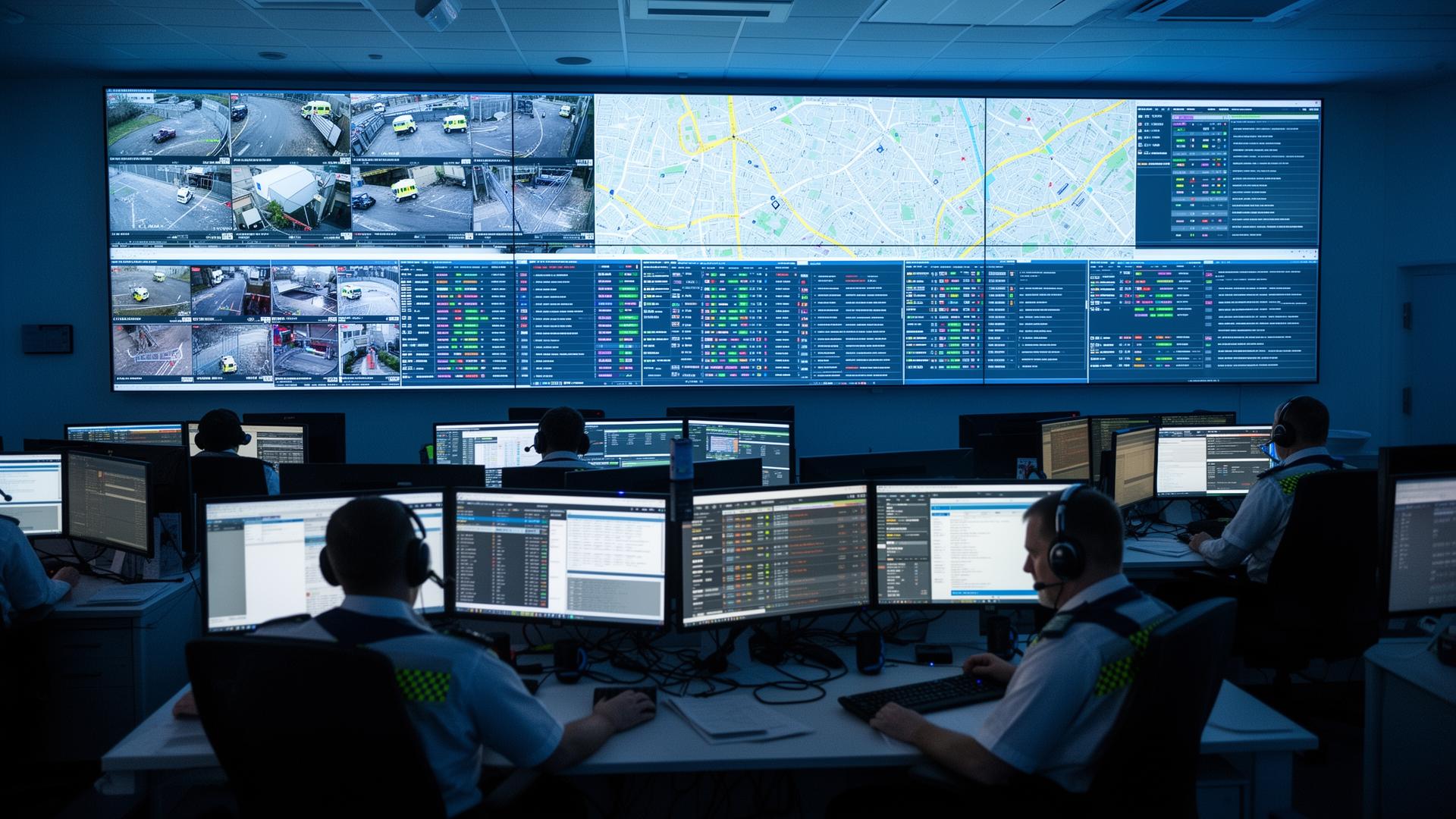
Take the Blue Light Operational Recovery Readiness Assessment here:
Blue_Light_Operational_Recovery_Readiness_Assessment