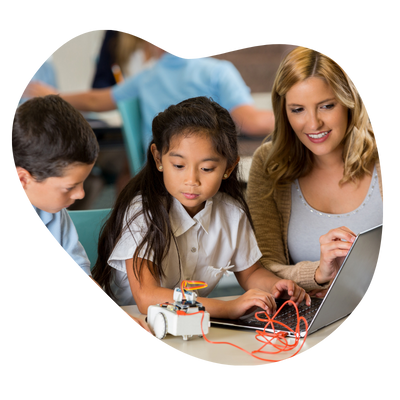
In today’s rapidly evolving educational landscape, the integration of Internet of Things (IoT) technology is transforming the classroom experience. As schools and universities seek to optimise their learning environments, IoT devices are playing a pivotal role in creating "smart classrooms" that are not only more comfortable and conducive to learning but also more energy efficient. By harnessing the power of IoT-based systems, educational institutions can enhance the quality of education while reducing their environmental impact and complying with government sustainability goals. As educational facilities continue to prioritise student engagement, comfort, and performance, IoT solutions offer an innovative path forward. In this article, we’ll explore how IoT technologies, including energy management systems, temperature and humidity monitoring, and air quality sensors, are reshaping the classroom environment to benefit both students and educators.
The Rise of Smart Classrooms
A smart classroom is one that uses IoT devices to automate and control various aspects of the environment, such as lighting, temperature, air quality, and energy use. These connected devices are designed to work together to create an optimal learning environment that can be adjusted based on real-time data. The concept of a smart classroom goes beyond just making a classroom more connected; it’s about improving the overall educational experience while fostering sustainability and reducing operational costs.
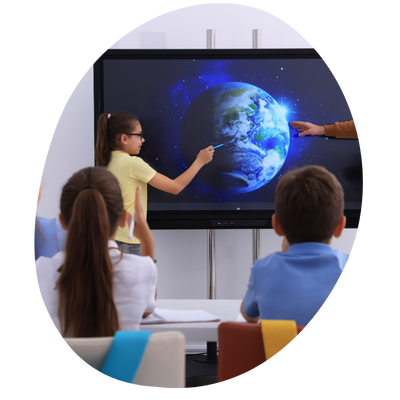
Classroom energy consumption is a significant factor in the overall operating costs of schools and universities. From lighting and heating to cooling and electronic equipment, managing energy use effectively can lead to substantial savings, as well as a reduction in carbon footprints.
IoT-enabled energy management systems can help educational institutions achieve both cost and energy savings by optimising energy usage across classrooms. For example, smart lighting systems can automatically adjust light levels based on the natural light entering a room, reducing the need for artificial lighting. Additionally, motion sensors ensure that lights are turned off when a room is unoccupied, further reducing energy waste.
For heating and cooling, smart thermostats can regulate classroom temperatures based on real-time occupancy and weather conditions, ensuring that rooms are comfortable for students without wasting energy. These systems can also be remotely monitored and controlled, allowing for efficient adjustments when necessary and helping schools comply with energy efficiency regulations set out by government bodies.
Classroom environments play a critical role in student performance, and temperature and humidity are two key factors influencing both comfort and concentration. Poor air quality, high temperatures, or excessive humidity can lead to discomfort, which in turn impacts focus and productivity.
IoT-based temperature and humidity monitoring systems provide real-time insights into classroom conditions, enabling schools to adjust the environment to maintain the optimal range for student comfort. These systems can be integrated with HVAC systems to automate temperature control based on occupancy levels and external weather changes. By maintaining a consistent and comfortable temperature, students can stay focused and engaged, leading to improved learning outcomes.
In addition to comfort, humidity control is important for preventing the growth of mould and mildew, which can affect the health of students and staff. IoT-enabled humidity sensors ensure that humidity levels are kept within safe limits, creating a healthier and more productive environment.
Air quality is another critical factor in creating a conducive learning environment. Poor air quality can lead to fatigue, headaches, and difficulty concentrating, all of which can negatively impact student performance. It can also affect the health of students and staff in the long term.
IoT-powered air quality sensors can continuously monitor factors such as CO2 levels, volatile organic compounds (VOCs), particulate matter (PM), and general air quality. When these sensors detect any changes in air quality, they can trigger automated systems to improve ventilation or adjust air purification systems to restore optimal conditions.
By using smart ventilation systems, schools and universities can ensure that classrooms are well-ventilated, reducing the risk of airborne diseases and creating a healthier learning space. IoT air quality monitoring helps not only in improving health and performance but also in ensuring compliance with government air quality standards and indoor environment regulations.
4. Automated Systems for Continuous Improvement
One of the key advantages of IoT in smart classrooms is its ability to automate adjustments based on real-time data. IoT systems can continuously monitor and optimise the classroom environment, ensuring that energy use is minimised while maintaining comfort and air quality.

For example, an IoT system can automatically adjust the HVAC system based on room occupancy, reducing heating or cooling when a classroom is empty. Similarly, lighting can be adjusted according to natural light availability, ensuring that energy is used only when necessary. With AI-powered analytics integrated into IoT systems, these optimisations can be further enhanced by identifying patterns in energy use and predicting future needs, creating a more efficient and sustainable environment over time.
By automating such systems, schools and universities can reduce their operational burden, as well as minimise human error or inefficiencies that may arise in manual management of these systems.
As part of the UK’s commitment to achieving net-zero carbon emissions by 2050, educational institutions are under increasing pressure to reduce their energy consumption and carbon footprints. The government has set clear guidelines on sustainability and energy efficiency that all public institutions, including schools and universities, must follow.
Implementing IoT solutions in classrooms aligns perfectly with these policies, as it enables institutions to better manage energy use, reduce waste, and improve operational efficiency. For example, IoT-driven systems help schools meet energy reduction targets by optimising lighting, heating, and cooling in line with Building Regulations and Environmental Performance Indicators.
Moreover, the use of IoT technology to improve air quality and comfort in classrooms directly contributes to better health outcomes for students and staff, ensuring that educational environments meet regulatory standards and promote long-term well-being.
Beyond sustainability, integrating IoT into classrooms also offers significant cost savings. By reducing energy consumption, improving operational efficiency, and enhancing resource management, schools and universities can lower their overall operational costs. These savings can be reinvested into the education system, supporting further technological upgrades or other educational initiatives.
Furthermore, IoT solutions streamline maintenance processes. With real-time monitoring and predictive analytics, schools can identify potential issues before they escalate, reducing downtime and repair costs.
The Future of Smart Classrooms is Here
As the educational sector continues to embrace the benefits of IoT technology, smart classrooms are becoming an integral part of the learning experience. By optimising energy use, enhancing comfort, and improving air quality, IoT devices are revolutionising how classrooms function, ensuring they are more sustainable, efficient, and conducive to student success.
For educational institutions looking to stay ahead of the curve, integrating IoT-based solutions is a forward-thinking approach that not only meets sustainability and energy efficiency goals but also enhances the learning environment for students and staff alike. At Switchshop, we offer tailored solutions for schools and universities, helping you create the smart classrooms of the future.